Geometric Persian Rugs with Bold Structure and Timeless Character
Discover geometric Persian rugs defined by tribal rhythm, angular motifs, and handwoven detail that bring strength, warmth, and visual balance to any interior.
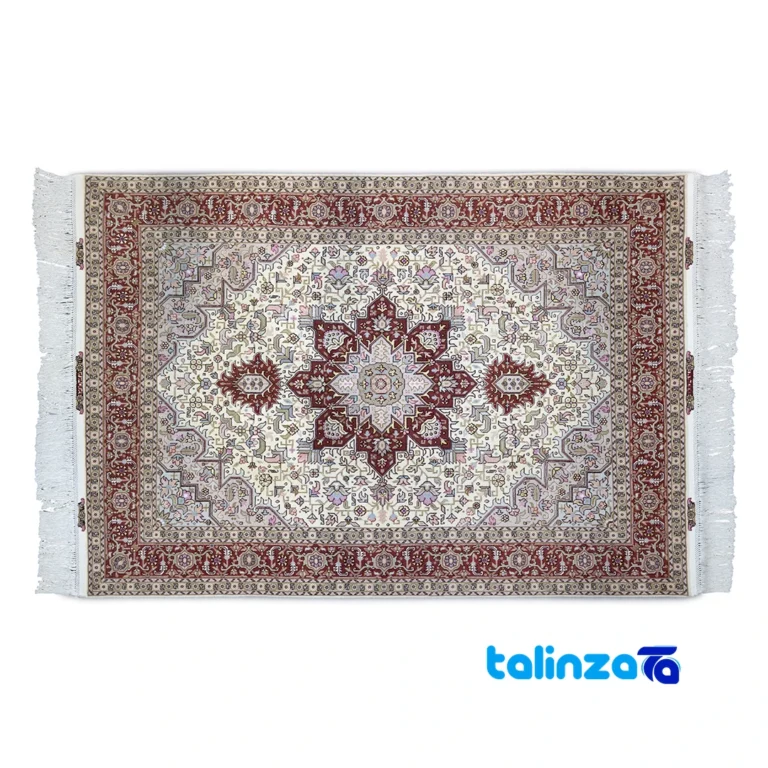
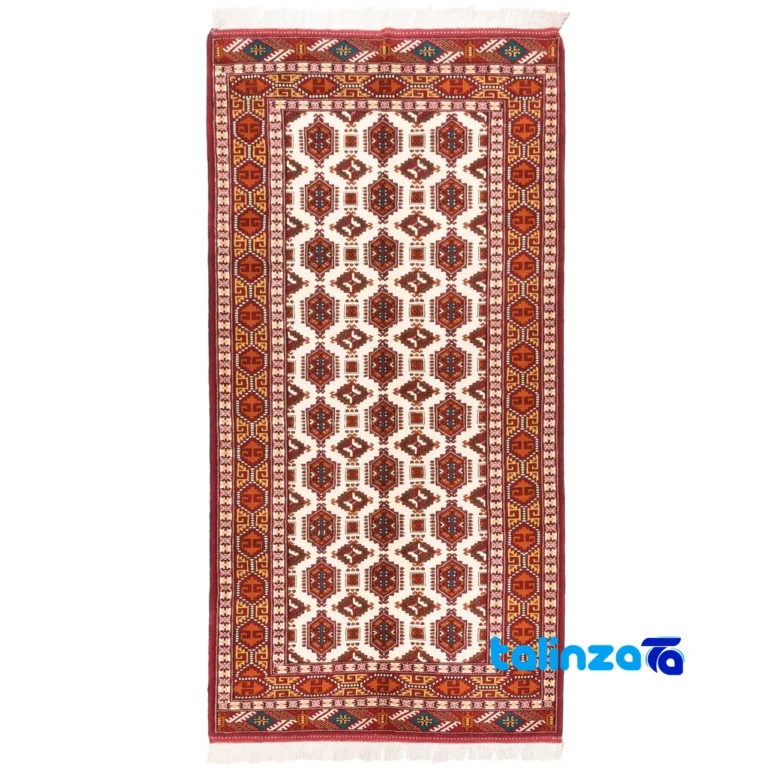
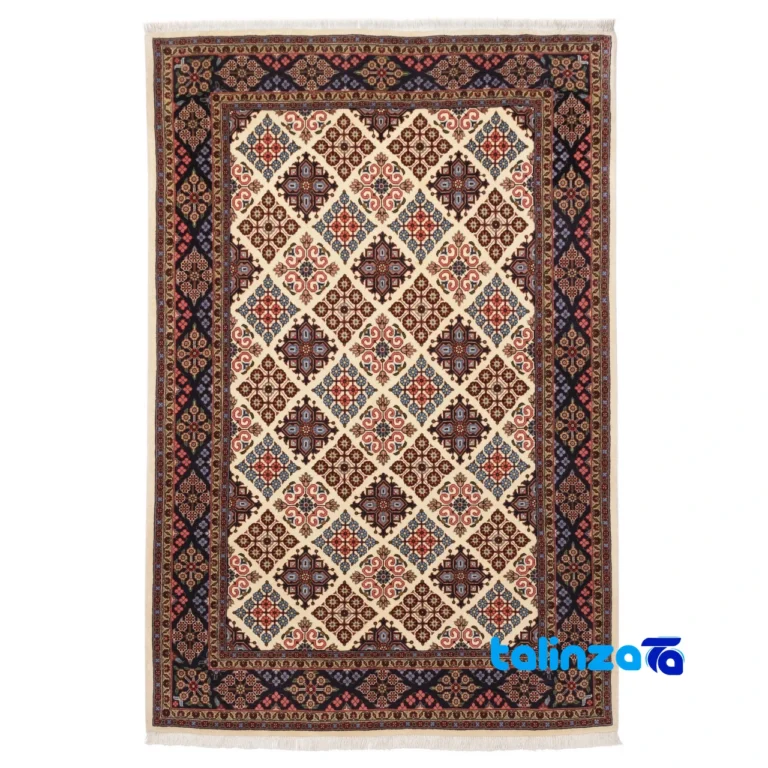
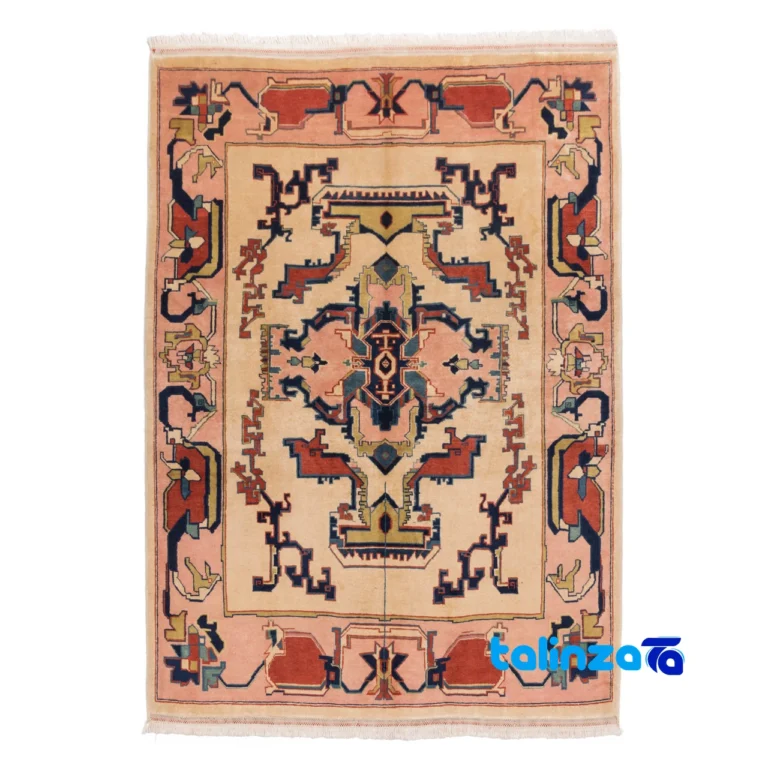
Experience the charm of the Haris handwoven area rug in cream with geometric patterns. A perfect addition to elevate your space. Careful packaging and reliable
Explore the stunning Harris Handmade Rug featuring a cream geometric design, an ideal addition to elevate any space in your home. Order now with fast, trackable
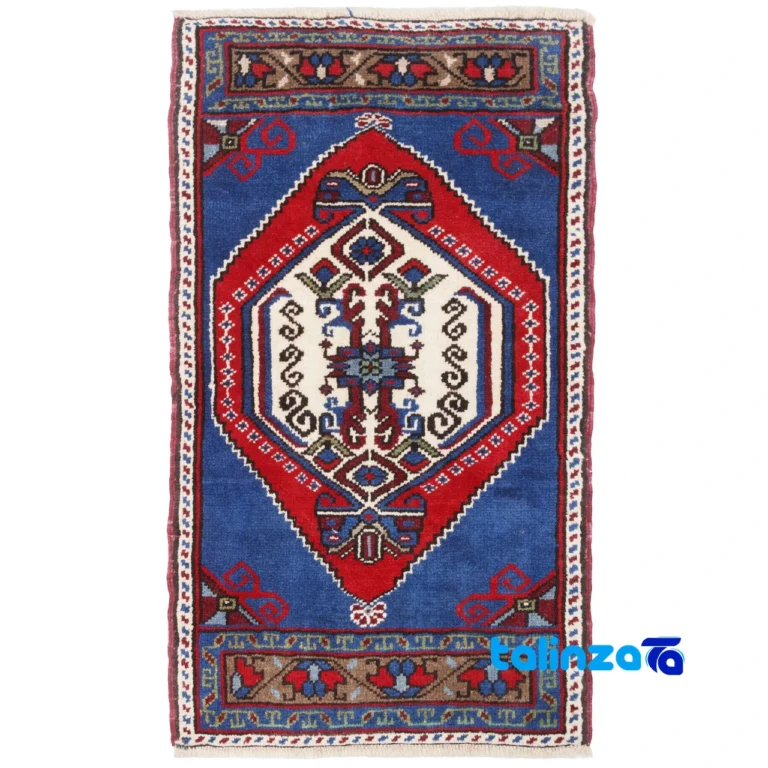
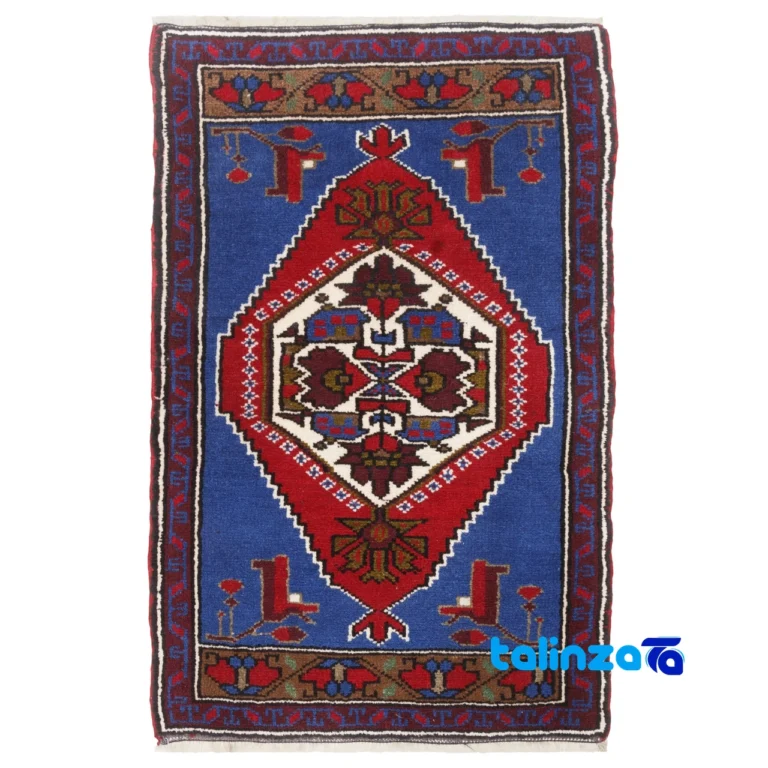
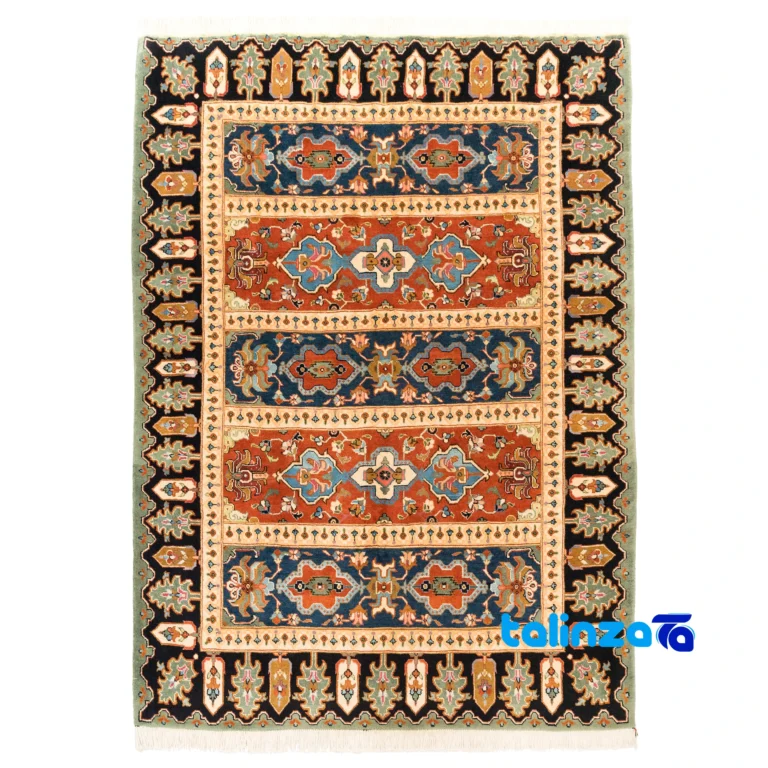
Elevate your space with the Cypressia handwoven rug in blue, featuring a stunning geometric design crafted from premium wool materials. Quick processing and tra
handwoven rug: Explore the charm of this handwoven blue rug featuring a geometric design, perfect for enhancing your home's elegance. Quick processing and track
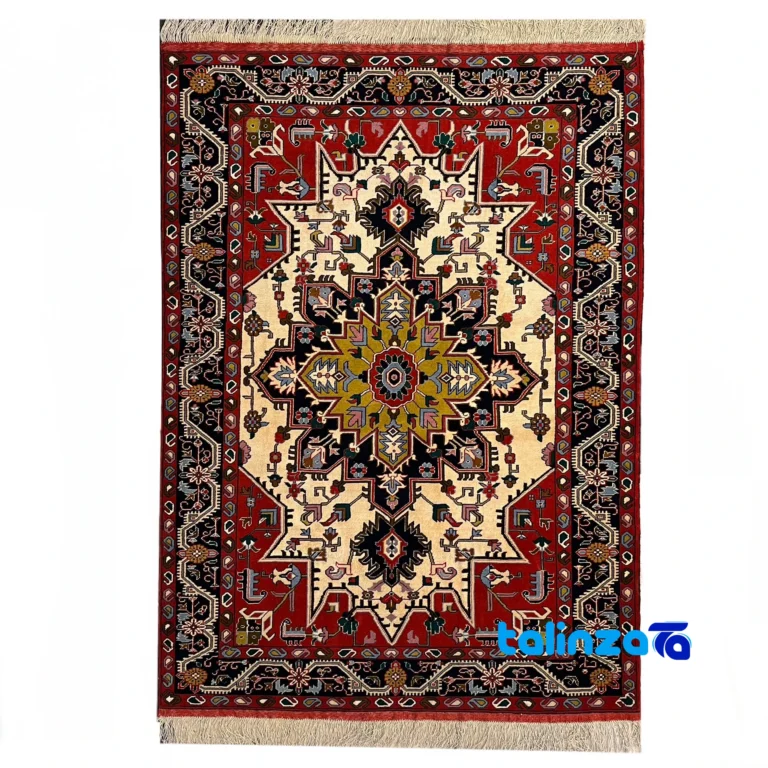
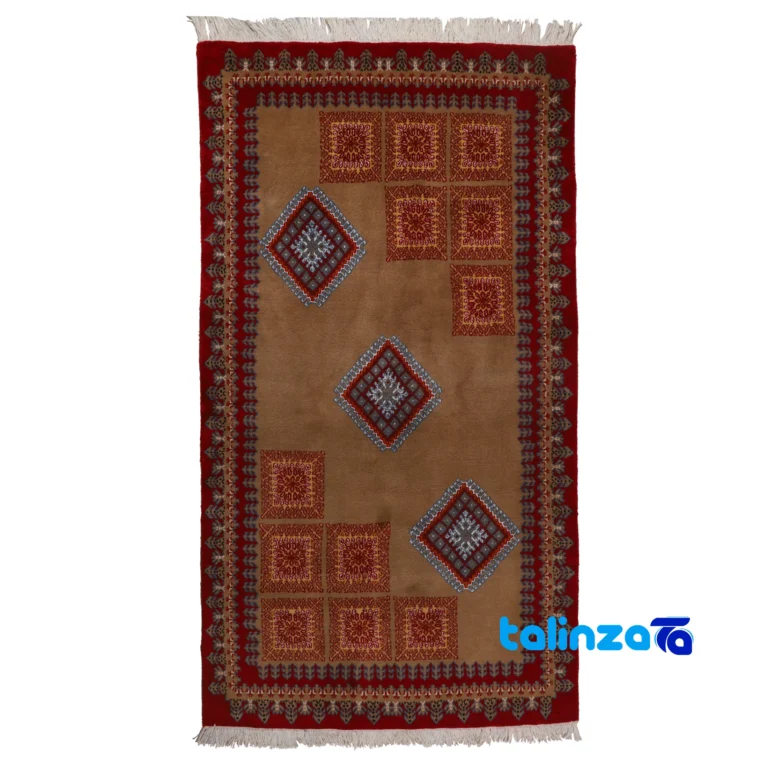
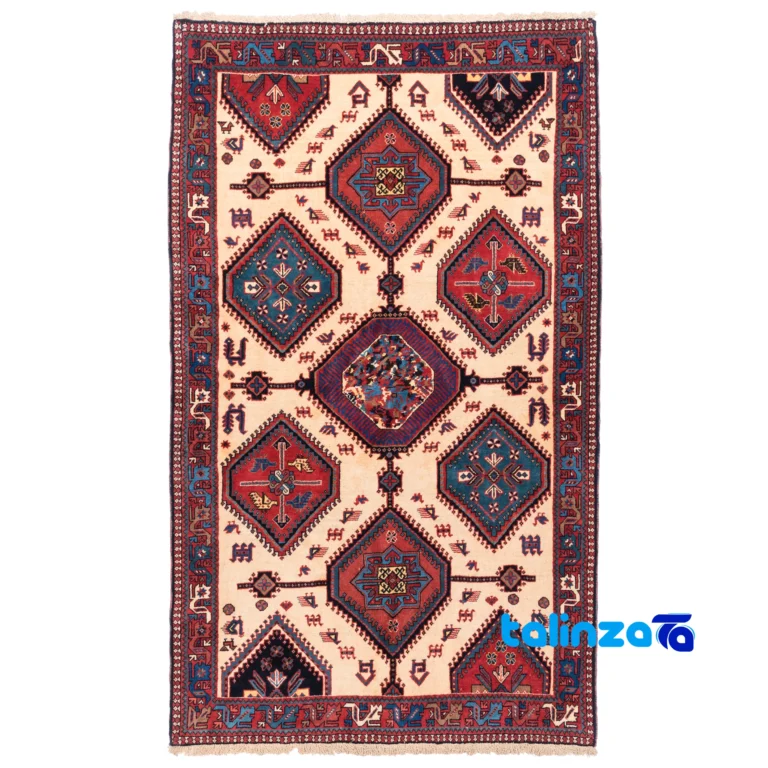
Experience the charm of the Yelmeh Handcrafted Rug, showcasing a stunning geometric design in cream and red, perfect for any decor. Careful packaging and reliab
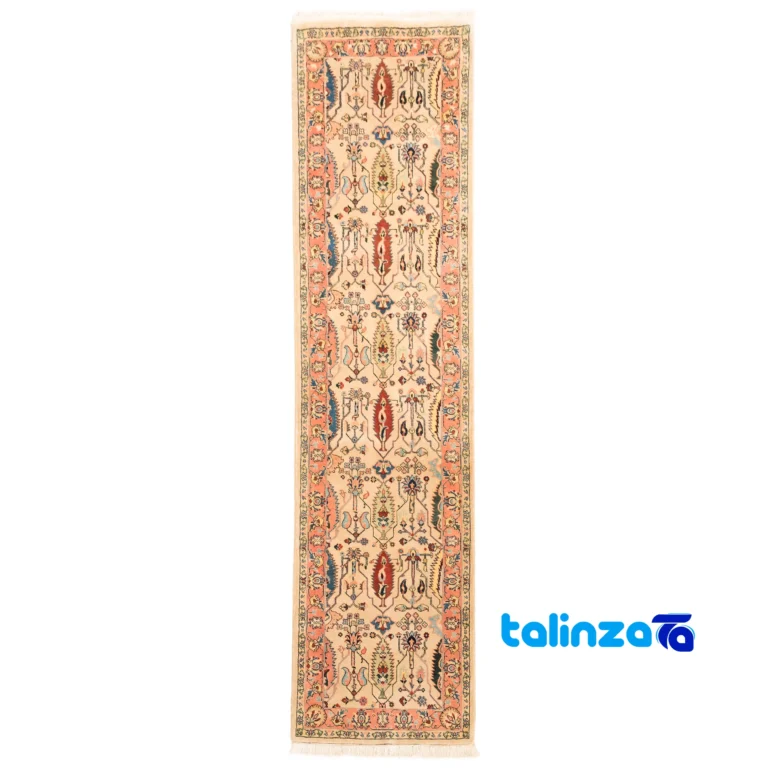
Discover the charm of our handwoven runner rug featuring a stunning geometric design in cream, perfect for enhancing your home decor. Order now with fast, track
Discover the beauty of the Si Persia handwoven rug in geometric cream design. A perfect addition to elevate your home decor! Fast shipping and secure packaging.
Elevate your space with the Cypress Persian Handwoven Rug. Its exquisite geometric design and quality craftsmanship make it a perfect addition to any decor.
Explore the elegance of this C Persia handwoven rug featuring a stunning geometric design, perfect for enhancing your home decor. Fast shipping and secure packa
Explore the charm of the C Persia handwoven rug, featuring a beautiful geometric design that enhances any room's decor. Perfect for your home! Fast shipping and
Explore the Si Persia handwoven rug, showcasing a captivating geometric design and exquisite traditional craftsmanship. Quick processing and tracked delivery.
Experience the charm of the Si Persia handwoven rug, featuring a unique geometric design that enhances any room in your home. Quick processing and tracked deliv
The Enduring Appeal of Geometric Persian Rugs
Geometric Persian rugs have a distinctive presence that immediately sets them apart from more floral or curvilinear carpet styles. Defined by angular motifs, repeating forms, strong borders, and clear visual rhythm, these rugs offer a sense of order, confidence, and handmade authenticity. They often feel bolder and more architectural than traditional city carpets, which is exactly why they continue to attract collectors, designers, and homeowners looking for something with stronger structure and personality.
What makes geometric Persian carpets so compelling is their ability to feel both ancient and current at the same time. Their patterns are rooted in centuries of tribal and village weaving, yet their clarity and symmetry work beautifully in contemporary interiors. A geometric rug can ground a room, create movement without clutter, and add cultural depth in a way that feels natural rather than decorative for decoration’s sake.
Tribal Roots and Strong Visual Identity
Many tribal Persian rugs are built around geometric language. Repeating diamonds, stepped medallions, hooked motifs, stylised flowers, and angular borders are common across many village and nomadic weaving traditions. These designs were not created randomly. They often carried symbolic meaning and reflected memory, place, protection, nature, and identity. Even when the viewer does not know the exact symbolism, the rug still communicates strength, rhythm, and intention.
Unlike highly formal floral rugs, geometric carpets usually feel more direct. The shapes are easier to read from a distance, which gives them strong decorative impact in both small and large rooms. They can look especially striking in spaces where you want the rug to have clear character without becoming visually fussy.
Why Geometric Patterns Work in Modern Interiors
One reason handwoven geometric rugs remain so relevant is that their structure fits naturally into modern design. Clean-lined furniture, open-plan spaces, and minimal rooms often benefit from a rug that introduces warmth and pattern without looking too ornate. Geometric Persian rugs do exactly that. They add heritage and texture, but their shapes still feel compatible with contemporary architecture.
In classic interiors, these rugs can feel grounded and collected. In modern homes, they can bring softness to hard materials like concrete, stone, glass, and metal. They also work beautifully in eclectic spaces, where layered textiles, wood, ceramics, and vintage furniture benefit from a rug with a strong visual backbone.
From Bold Repetition to Subtle Structure
Not every geometric rug feels the same. Some use large-scale repeating motifs with strong contrast, creating a bold and energetic look. Others have smaller, denser patterns that feel more subtle and textural from a distance. Some rugs combine angular medallions with softer supporting details, while others rely almost entirely on repetition and border definition.
This variation means you can choose a geometric Persian rug based on the mood you want. A higher-contrast piece with darker tones may feel dramatic and grounding. A softer palette with more beige, ivory, or faded blue may feel calmer and easier to layer into a lighter room. The geometry remains, but the emotional effect changes with scale and colour.
How to Choose the Right Geometric Persian Rug
Start by deciding how much structure you want the rug to bring into the room. If the space feels soft or undefined, a stronger geometric layout can provide visual discipline. If the room already has many strong lines, a more muted or smaller-scale geometric design may create better balance. Also consider whether you want the rug to act as a focal point or a supporting design layer. The answer will help guide your choice of contrast, colour, and pattern density.
Colour, Contrast, and Room Mood
Colour plays a major role in how angular Persian rug patterns are perceived. Darker tones such as indigo, rust, charcoal, burgundy, and deep brown make the design feel stronger and more grounded. Lighter backgrounds with geometric accents can feel more open and versatile. Because geometric rugs often have clear motif repetition, contrast tends to matter more here than in very floral styles.
If your room has neutral upholstery and natural wood, a richer geometric rug can add just the right amount of energy. If your space is already highly layered, a quieter geometric composition may help preserve calm while still giving the interior a clear handmade foundation.
A Practical Choice with Lasting Style
Many geometric Persian rugs come from village and tribal weaving traditions known for durability and honest craftsmanship. This makes them especially appealing for everyday spaces such as living rooms, studies, entrances, and layered family interiors. Their patterns often wear gracefully, and their stronger visual structure can make them feel practical as well as decorative.
For buyers who want something with character, cultural depth, and strong design clarity, geometric Persian rugs offer a compelling alternative to more formal floral carpets. They feel rooted, expressive, and easy to appreciate over time.
Caring for Your Geometric Persian Rug
To preserve the beauty of your geometric Persian rug, vacuum it gently and regularly, rotate it occasionally so wear remains even, and keep it away from prolonged direct sunlight. If spills happen, blot them promptly with a clean, dry cloth rather than rubbing. Professional cleaning when needed will help maintain the clarity of the pattern, the health of the fibres, and the overall richness of the rug for years to come.
Explore Talinza’s geometric Persian rugs and bring bold pattern, tribal rhythm, and timeless handwoven Persian character into your home.