


Iranian vs Chinese Tea
Complete Iranian vs Chinese Tea Buying Guide 2026
Looking for the best Iranian vs Chinese Tea? This comprehensive guide covers everything about Iranian vs Chinese Tea, helping you make an informed decision that suits your preferences and needs.
Understanding Iranian vs Chinese Tea: A Complete Guide
The world of tea is vast and varied, with each region producing unique flavors and aromas. When it comes to Iranian vs Chinese tea, both offer distinct experiences steeped in rich traditions. Iranian tea, often characterized by its robust flavor, is typically brewed from high-quality leaves sourced from lush gardens. In contrast, Chinese tea boasts an extensive variety, ranging from delicate green teas to rich, fermented pu-erh. In this guide, we will explore the nuances between these two tea cultures, helping you find the right choice for your palate.
Both Iranian and Chinese teas can elevate your tea-drinking experience, making it essential to understand their distinct characteristics. Iranian tea often has a strong, aromatic flavor, while Chinese teas may offer a complex profile with floral notes, earthy undertones, and varying degrees of sweetness. Additionally, the brewing methods differ, influencing the final taste and aroma of each cup.
Why Choose Quality Iranian vs Chinese Tea
Choosing high-quality tea can make a significant difference in your overall experience. Quality Iranian tea is often handpicked and processed with care, ensuring that each cup is rich in flavor and aroma. Similarly, premium Chinese teas are meticulously cultivated and harvested, leading to a diverse array of tastes and health benefits. By opting for quality, you not only enjoy a better taste but also support sustainable practices and local growers.
Top Recommended Iranian vs Chinese Tea Products
When selecting the best Iranian vs Chinese tea for your needs, consider various factors such as flavor, aroma, and health benefits. Some top picks include:
- Iranian black tea, known for its strong and bold flavor, perfect for those who enjoy a robust cup.
- Chinese green tea, which offers a refreshing taste and numerous health benefits, making it ideal for daily consumption.
- Iranian herbal tea, often infused with aromatic spices, providing a unique twist on traditional flavors.
- Chinese oolong tea, which strikes a balance between green and black tea, offering a rich, complex flavor profile.

Different Types of Iranian vs Chinese Tea
Understanding the different types of Iranian and Chinese tea will help you make an informed choice. Iranian tea predominantly consists of black tea varieties, such as Darjeeling and Assam, known for their strong flavor and aroma. In contrast, Chinese tea encompasses a broader spectrum, including:
- Green Tea: Light and refreshing, with various subtypes like Longjing and Biluochun.
- Black Tea: Rich and bold, with famous varieties like Keemun and Yunnan.
- Oolong Tea: Partially oxidized, offering a unique taste experience.
- White Tea: Delicate and subtle, made from young tea leaves and buds.
- Herbal Tea: Not technically tea, but often enjoyed for its diverse flavors and health benefits.
How to Choose the Perfect Iranian vs Chinese Tea
Choosing the perfect tea involves considering your taste preferences, brewing methods, and desired health benefits. Here are some tips to guide your selection:
- Consider the flavor profile: Do you prefer bold, robust flavors or light, delicate notes?
- Think about health benefits: Different teas offer various health advantages, from antioxidants to calming effects.
- Evaluate brewing methods: Some teas require specific brewing temperatures and times for optimal flavor extraction.
- Sample different types: Consider purchasing small quantities to try out various teas before committing to larger packages.

Essential Features in Iranian vs Chinese Tea
When comparing Iranian vs Chinese tea, several features stand out:
- Flavor: Iranian tea tends to have a stronger, more assertive flavor, while Chinese tea offers a diverse range of tastes.
- Aroma: The aroma can significantly impact your overall experience; Iranian teas often have a rich, malty scent, while Chinese teas can be floral or earthy.
- Health Benefits: Both types of tea come with health benefits, including antioxidants and potential digestive aids.
- Price: Quality can affect the price, with premium varieties offering unique tasting experiences.
Expert Buying Tips for Iranian vs Chinese Tea
To make the most out of your tea selection, consider these expert buying tips:
- Research reputable brands and producers known for quality.
- Look for organic certifications to ensure the absence of harmful chemicals.
- Read reviews and testimonials from other tea enthusiasts.
- Join tea clubs or communities to gain insights and recommendations from fellow tea lovers.

Frequently Asked Questions about Iranian vs Chinese Tea
1. What are the main differences between Iranian and Chinese tea?
The primary differences lie in flavor profiles, types, and brewing methods. Iranian tea is often stronger and more robust, while Chinese tea offers a wider variety of flavors and types, including green, oolong, and white teas.
2. Which tea is better for health?
Both Iranian and Chinese teas offer health benefits. Chinese green teas are known for their high antioxidant content, while Iranian black teas have been linked to improved heart health. Your choice can depend on your health goals.
3. Can I mix Iranian and Chinese teas?
Mixing teas can create unique flavor profiles, but it’s essential to consider the taste compatibility of the teas you select. Experimentation can lead to delightful discoveries!
4. How should I brew Iranian vs Chinese tea?
Brewing methods vary; Iranian tea is typically brewed with boiling water for a stronger flavor, while Chinese teas may require different temperatures and steeping times. Always check specific instructions for each type.
5. Where can I buy quality Iranian and Chinese tea?
Look for specialty tea shops, online retailers, or local markets that focus on quality products. Always read reviews and verify the reputation of the seller before purchasing.
6. Are there any cultural differences in tea preparation?
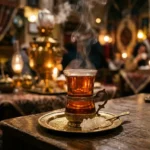
Yes, both cultures have unique traditions surrounding tea preparation and consumption. Iranian tea is often served with sweets, while Chinese tea ceremonies emphasize mindfulness and appreciation of the tea’s flavors.
Conclusion: Final Thoughts on Iranian vs Chinese Tea
In conclusion, choosing between Iranian vs Chinese tea ultimately comes down to personal preference and desired flavor experiences. Both offer distinct benefits and a rich tradition that can enhance your tea-drinking ritual. By understanding the differences, types, and unique features of each, you can make an informed decision that aligns with your taste and health goals. Whether you lean towards the robust nature of Iranian tea or the diverse offerings of Chinese tea, there’s a world of flavor waiting for you to explore.